


























this was the camera that launched my digicam journey in 2024, and i was lucky enough to find one of the cameras on my hit list when i was on my first trip to japan. i did visit the famous camera bins in akihabara, but since i was so new to digicams i didn’t want to get something that didn’t work or had a hard-to-find charger.
which reminds me, i had been wanting an omnichord for probably over ten years, but i used to be so sketched out about buying used electronics that i never bought one. and now i have one and i play it almost every day. through my experiences with digicams and also jailbreaking many handheld gaming devices over the years, i’ve become a lot more tech savvy and been able to take initiative on purchases and fixing and repairing my stuff.
anyhow, i went to a lot of different used camera stores (bic camera, hard off, yodobashi akiba, filmcamera tokyo, kitamura camera, map camera) and ended up purchasing the camera at lemon-sha shinjuku for about 17k yen, and the conversion rate was a lot better back then so I think it was about 90 USD.
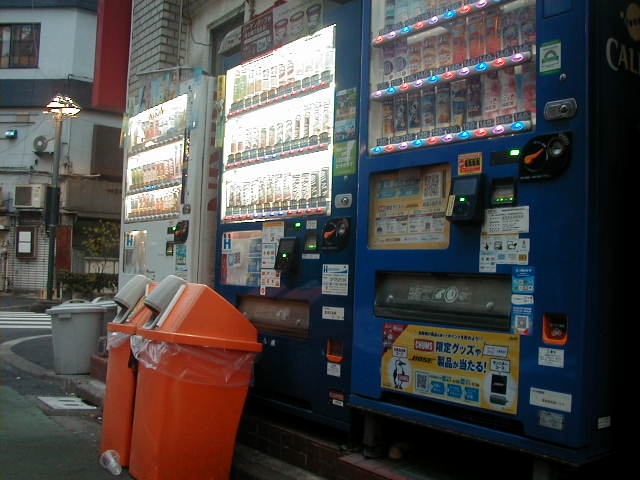

the camera
the c-900 zoom came out in 1998, part of olympus’s camedia line of consumer digital cameras. in the us market it was also sold as the d-400 zoom (which is why the exif on my photos reads “c900z,d400z”). it has a 1.3 megapixel ccd (native 1280×960, though i shoot at 640×480 for the extra crunch), a 3x optical zoom around the 35–105mm equivalent range, and stores everything on smartmedia cards.
what made it stand out at the time was mostly the form factor: compact for a zoom digicam in 1998, styled like a proper little rangefinder, and priced somewhere in the mid range for a 1mp consumer camera. it wasn’t the fanciest thing sony was putting out that year, but it was cute, portable, and it worked. i think what people underestimated about that era of digital is how much personality every sensor had. by 2006 everything looked kind of the same due to the MP and size chase. back in 1998, every camera had a soul. and it runs on 4 AA batteries, but isn’t a power hog like some of the fujifilm consumer cameras from that time period. my fujifilm 4700Zoom disturbingly goes through 4 AA batteries in about 30 minutes.


why this one
what really caught my eye about it was that it’s very similar to a film camera model my dad used all throughout my childhood.
admittedly my dad was a horrible photographer, and ironically he chronicled every picturesque thing he saw, almost every day, in the most mundane way. he owned his own tour business and would shoot the exact same views and vistas over and over and over. really bad framing and lighting but he always set everything up as a grand masterpiece and only shot landscapes. i like to think that his photographs were just snapshots he used to remind himself of moments. well, that, or maybe he didn’t realize how lacking his photography skills were. he was an avid zettelkaster, who chronicled and indexed everything by hand on index cards in massive filing cabinets, and i’m proud to say that i’m continuing his legacy (though digitally). maybe there’s a landfill somewhere full of his thoughts and feelings on those photos.
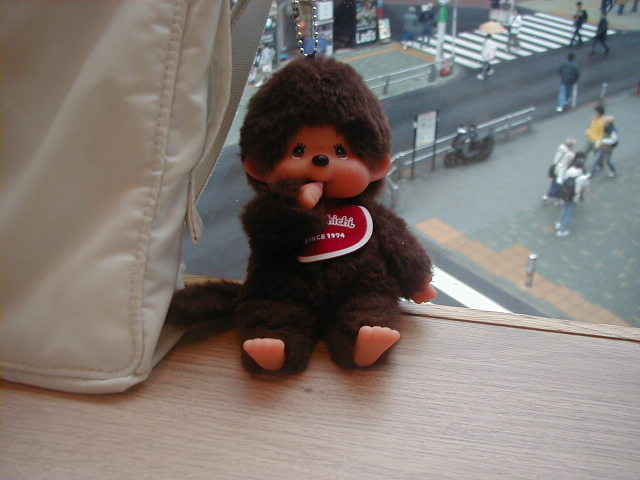

the image processing
to me, the image processing on this camera is quintessential early 2000s. when i saw the first photos i took, i wasn’t sure if i was looking at pictures or remembering something from a childhood experience i never had. the colors are crushed and ever so slightly warm, the images are noisy and blurry, and the camera just makes photos feel so nostalgic.


the learning curve
i would say the learning curve with this camera just has to do with having steady hands and watching your lighting. i hate to admit that 100% of my photos look great on the tiny lcd screen, but half or fewer actually end up looking good once i print them out or pull them up on my computer.


verdict
overall this digicam is one of my daily drivers. great battery life (and convenient too since it doesn’t have a special battery pack or charger), easy to get the photos on and off if you have one of those usb-c multi card readers, and really fun and easy to shoot with.


first in a series — more digicam reviews to come.